How Eggs Affect Coconut Flour Cake Texture
A practical step-by-step guide to how eggs affect coconut flour cake texture, including preparation, instructions, common issues, tips, and next steps.
How Eggs Affect Coconut Flour Cake Texture
Eggs are the main structural ingredient in coconut flour cakes because coconut flour has no gluten and absorbs a lot of liquid. The number of eggs, their size, and how you mix them determine whether the cake is moist and tender or dry and crumbly. This guide explains how eggs affect texture and gives you exact steps to control that texture in your own kitchen.
Fast Answer
- Use large eggs at room temperature; they emulsify better and give a more even crumb in coconut flour batters.
- If the cake is too dry, add one extra egg yolk and a tablespoon of liquid; if too wet, reduce liquid by two tablespoons.
Before You Start
- Bring eggs to room temperature by placing them in a bowl of warm water for five minutes before cracking.
- Measure coconut flour by spooning it into a cup and leveling it with a knife; never scoop directly from the bag.
- Preheat the oven and line the cake pan with parchment paper so the batter sets quickly and evenly.
- Whisk the eggs, liquid, and fat together until smooth before adding coconut flour to avoid lumps.
Step-by-Step Instructions
Choose and prepare the eggs correctly
Start by selecting large eggs and letting them sit in a bowl of warm tap water for five minutes. Room-temperature eggs blend more easily with fat and liquid, which helps the coconut flour hydrate evenly. Crack each egg into a small bowl before adding it to the main mixture so you can remove any shell pieces and check that the yolk is intact. If a recipe calls for a specific number of eggs, do not swap in smaller or larger eggs without measuring. One large egg is about three tablespoons of liquid, and that amount affects how much coconut flour you need. As a practical check, whisk the eggs with the liquid ingredients until the mixture is uniform in color and slightly frothy. This step matters because uneven egg distribution creates pockets of dry flour that never soften, leading to a gritty or crumbly cake.
Mix wet ingredients before adding coconut flour
In a large bowl, combine the prepared eggs, your chosen liquid such as milk or water, and the melted fat. Whisk vigorously for about thirty seconds until the mixture looks smooth and slightly thickened. This creates an emulsion that traps air and helps the cake rise without gluten. Next, add any sweetener, vanilla, or spices and whisk again. Only after the wet mixture is completely uniform should you add the coconut flour. Sprinkle the flour over the surface and stir with a spatula until no dry streaks remain. Let the batter rest for five minutes; coconut flour absorbs liquid slowly, and resting allows it to thicken. A practical check is to lift a spoonful of batter; it should fall in a slow, thick ribbon rather than a thin stream. If it is too thin, wait two more minutes. This order prevents lumps and ensures the eggs can do their structural job.
Adjust egg quantity for your desired texture
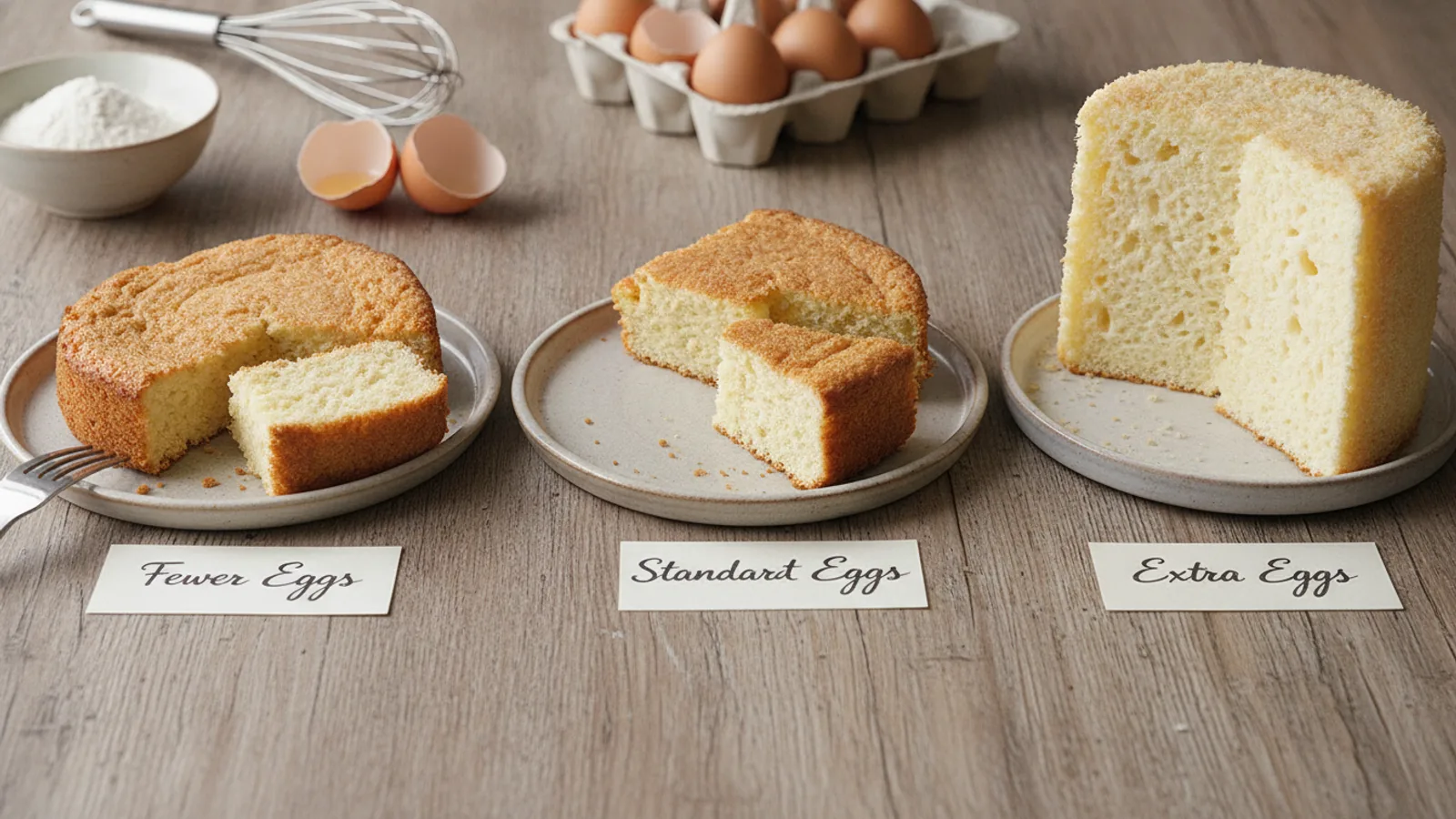
The number of eggs directly controls how moist or dry your cake turns out. More eggs add moisture and fat, creating a denser, custard-like texture. Fewer eggs produce a lighter, more crumbly cake that can fall apart easily. For a standard coconut flour cake using half a cup of flour, three large eggs usually give a balanced, tender crumb. If you want a fudgier texture, add one extra yolk and reduce the liquid by one tablespoon. For a lighter, airier cake, separate the eggs, whip the whites to soft peaks, and fold them in last. A practical check is to compare the batter to thick pancake batter; if it is runnier, add one teaspoon of coconut flour, and if it is stiffer, add one tablespoon of liquid. This matters because coconut flour has no gluten to hold structure, so eggs are the main binder and their quantity must match the flour and liquid.
Fold gently to avoid deflating the batter
After the batter has rested, fold it gently with a spatula rather than beating it. If you whipped egg whites separately, add one third of them to the batter to lighten it, then fold in the rest in two additions. Use a figure-eight motion, turning the bowl as you go, until just a few white streaks remain. Overmixing deflates the air you worked to incorporate, and the cake will be flat and rubbery. For batters without whipped whites, simply stir until the ingredients are combined; small lumps are acceptable. A practical check is to look at the batter’s volume; it should not shrink noticeably after folding. If it does, you have lost air, and the cake will be dense. This gentle handling matters because the egg proteins form the cake’s structure, and excessive stirring develops them too much, squeezing out moisture and creating a tough texture.
Bake at the right temperature and check for doneness
Pour the batter into your prepared pan and smooth the top. Bake at the temperature your recipe specifies, usually around 175 degrees Celsius for a standard round cake. Coconut flour cakes brown quickly on the outside but can remain wet in the center, so start checking a few minutes before the stated time. Insert a thin skewer into the center; it should come out with a few moist crumbs, not wet batter. If the top is browning too fast, tent it loosely with foil. A practical check is to gently press the center with a finger; it should spring back slightly. If it leaves an indent, bake for five more minutes and check again. This matters because underbaked eggs leave a raw, eggy taste, while overbaking dries out the cake and makes it crumbly. The eggs need enough time to set and create a stable structure.
Cool and store to lock in the texture
Once the cake is done, transfer the pan to a wire rack and let it cool for ten minutes. Then run a knife around the edge and invert the cake onto the rack, then turn it right side up to cool completely. Cooling is part of the cooking process because the egg proteins continue to firm up as they cool, and the crumb becomes more stable. If you cut the cake while it is hot, it will likely crumble and seem underdone. After it reaches room temperature, store it in an airtight container at room temperature for up to two days, or refrigerate it for up to five days. A practical check is to press the top of the cooled cake; it should feel firm but yield slightly. This matters because proper cooling and storage prevent moisture loss and keep the texture from becoming dry and sandy. For longer storage, wrap slices tightly and freeze them.
Quick Reference
| Situation | Action | Why it helps |
|---|---|---|
| Your batter looks too thin and runny after resting. | Sprinkle one teaspoon of coconut flour over the batter, stir gently, and let it rest for two minutes. Repeat once if needed, but do not add more than two teaspoons total. | Coconut flour absorbs liquid slowly, and a thin batter will not hold the eggs and may bake into a flat, wet cake; a small addition thickens it without making it dry. |
| The baked cake tastes eggy and has a rubbery texture. | Reduce the number of whole eggs by one and add one extra tablespoon of liquid plus a quarter teaspoon of baking soda. Mix gently and bake as usual. | Too many eggs overload the structure and create a strong egg flavor; reducing them and adding a leavener lightens the crumb while keeping it moist. |
| The cake crumbles apart when you slice it. | Add one egg white to the batter next time, or increase the eggs by one whole egg and reduce the liquid by two tablespoons. Mix until just combined. | Crumbling means there is not enough binder to hold the coconut flour together; extra egg protein creates a stronger network that slices cleanly. |
Common Issues
- The cake is dry and sandy after baking.: Add one extra egg yolk and one tablespoon of oil or melted butter to the batter. Also reduce the baking time by five minutes and check early with a skewer.
- The center of the cake is raw while the edges are dark.: Lower the oven temperature by 15 degrees Celsius and bake for five to ten minutes longer. Cover the edges with foil if they brown too fast.
- The cake has a strong egg flavor.: Use one fewer whole egg and replace it with two tablespoons of unsweetened applesauce or mashed banana. Add a teaspoon of vanilla or lemon zest to mask any remaining egg taste.
Advanced Tips
- Separate the eggs and whip the whites to soft peaks, then fold them into the batter last for a lighter, airier crumb without adding extra liquid.
- Replace one whole egg with one tablespoon of ground flaxseed mixed with three tablespoons of water to reduce egg flavor while keeping moisture and binding.
- Add a quarter teaspoon of baking soda when using acidic ingredients like lemon juice or buttermilk; the reaction helps the cake rise and offsets the density from eggs.
Final Checklist
- Are the eggs at room temperature and measured as large eggs before mixing?
- Has the batter rested for at least five minutes so the coconut flour can absorb liquid?
- Is the oven fully preheated and the pan lined to prevent sticking and uneven baking?
- Did you check the center with a skewer and let the cake cool completely before slicing?
FAQ
Can I use egg substitutes in a coconut flour cake?
Yes, but the texture will change. For each egg, use one tablespoon of ground flaxseed mixed with three tablespoons of water, or a quarter cup of unsweetened applesauce. These substitutes add moisture but do not provide the same protein structure, so the cake may be denser and more crumbly. You may need to add a little extra coconut flour or a leavener to compensate.
How do I know if I have added too many eggs?
If the batter looks very wet and shiny after resting, or if the baked cake tastes strongly of eggs and feels rubbery, you likely used too many. Next time, reduce the eggs by one and add a tablespoon of liquid plus a quarter teaspoon of baking soda. The batter should be thick like pancake batter, not runny.
Does the size of the egg matter for coconut flour cakes?
Yes, egg size affects the liquid balance. Most recipes assume large eggs, which are about three tablespoons each. If you use medium eggs, add one extra tablespoon of liquid per egg. If you use extra-large eggs, reduce the liquid by one tablespoon per egg. Weighing your eggs or measuring the beaten egg can help you stay consistent.