Cook With Frozen Spinach Without Watery Sauces
A practical step-by-step guide to cook with frozen spinach without watery sauces, including preparation, instructions, common issues, tips, and next steps.
Cook With Frozen Spinach Without Watery Sauces
Frozen spinach is convenient and nutritious, but its high water content often turns sauces, dips, and fillings watery. This guide explains how to thaw, drain, and cook frozen spinach so it adds body and flavor without diluting your dish. You will learn the key steps to remove excess moisture, adjust cooking times, and use techniques that keep sauces thick and satisfying.
Fast Answer
- Thaw frozen spinach completely, then squeeze it dry in a clean towel or using a fine-mesh strainer before adding it to any sauce.
- Cook spinach separately from watery ingredients, and add it near the end of cooking to prevent sauces from thinning.
Before You Start
- Gather a clean kitchen towel or several layers of paper towels, a fine-mesh strainer, and a bowl for catching liquid.
- Thaw the frozen spinach overnight in the refrigerator or quickly in the microwave using the defrost setting, then let it cool slightly.
- Place the thawed spinach in the center of the towel or strainer and squeeze or press firmly to remove as much liquid as possible.
- Measure the drained spinach and have your other ingredients ready, so you can add it at the right moment without overcooking.
Step-by-Step Instructions
Thaw the spinach completely
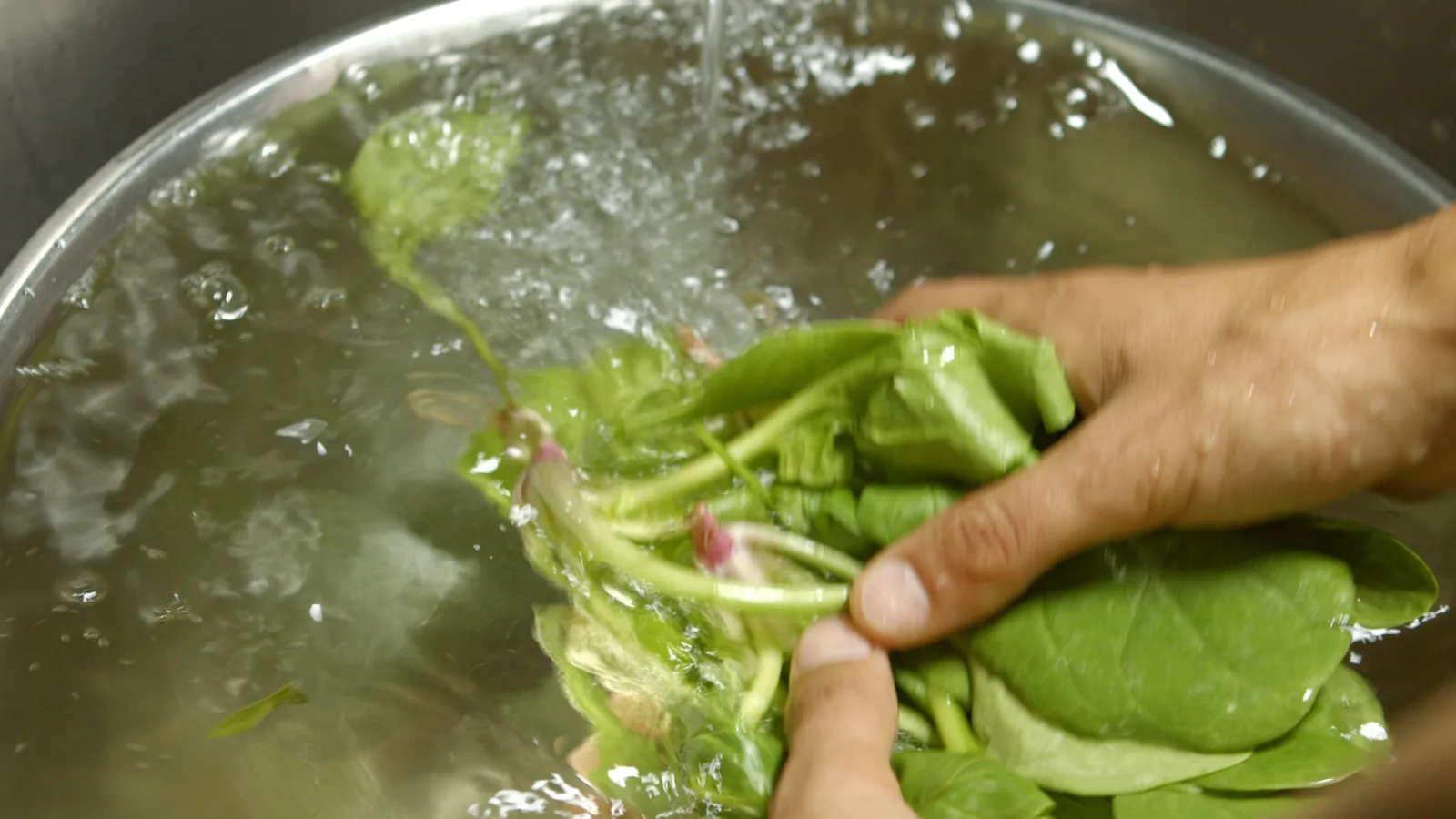
Start by thawing the frozen spinach completely. You can leave it in the refrigerator overnight, or place it in a microwave-safe bowl and use the defrost setting in short bursts. If you use the microwave, stir the spinach every thirty seconds to ensure even thawing. The goal is to have no icy chunks left, because partially frozen spinach will not release its water evenly and can create pockets of liquid in your dish. Once thawed, let it sit for a minute so any excess water can begin to separate. A practical check is to press a piece between your fingers: it should feel soft and pliable, not cold or crunchy. Thawing fully matters because it allows you to remove the maximum amount of water before cooking, which is the first defense against a watery sauce. If you are short on time, you can thaw spinach under cool running water in a sealed bag, but avoid hot water, which can start cooking the leaves unevenly.
Squeeze out excess moisture
After thawing, transfer the spinach to a clean kitchen towel or a double layer of paper towels. Gather the towel around the spinach and twist it tightly, squeezing over the sink or a bowl. Continue squeezing until you can press firmly and no more than a few drops of liquid come out. For a more thorough job, divide the spinach into smaller handfuls and squeeze each one separately. You can also use a fine-mesh strainer and press the spinach with the back of a spoon. The check here is simple: after squeezing, the spinach should look like a compact, slightly dry mass, not a wet clump. Removing this water now prevents it from seeping into your sauce later and diluting flavors. This step is especially important for creamy sauces, where even a little extra water can make the texture thin. If you are working with a large amount, squeeze in batches to avoid overwhelming the towel.
Chop or separate the spinach
Once the spinach is drained, decide whether to chop it or leave it in larger pieces. Chopping helps it blend more evenly into sauces and prevents long strands from clumping. Use a knife or kitchen shears to cut the spinach into bite-sized pieces. If you prefer a smoother texture, you can pulse it briefly in a food processor, but be careful not to puree it into a paste unless the recipe calls for that. The check is to see that the pieces are uniform in size, which ensures they distribute evenly and cook at the same rate. Uneven pieces can lead to some parts releasing more water than others. Chopping also allows the spinach to absorb the flavors of your sauce more effectively. If you are adding spinach to a filling, chopping makes it easier to mix with other ingredients without creating gaps that could trap steam and water.
Cook spinach separately first
Before adding spinach to your main dish, cook it briefly in a dry skillet or with a small amount of oil over medium heat. This extra step drives off remaining surface moisture and concentrates the spinach flavor. Heat the skillet, add the squeezed spinach, and stir for two to three minutes until it looks dry and slightly darker. You may see a little steam; that is fine, but you should not see liquid pooling in the pan. The check is to watch for the spinach to stop releasing steam and start to sizzle slightly. This indicates that most of the water has evaporated. Cooking spinach separately also gives you a chance to season it lightly, so it does not taste flat when combined with the sauce. If you skip this step, the spinach may release water into the sauce as it heats, thinning it out. This method is particularly useful for thick sauces like tomato or cream.
Add spinach at the right time
Timing is crucial when adding spinach to a sauce. In most cases, add the drained and pre-cooked spinach near the end of cooking, after the sauce has thickened. Stir it in and cook just long enough to heat it through, about one to two minutes. This minimizes the chance for the spinach to release any remaining water into the sauce. The check is to taste the sauce after adding the spinach; it should still have the same consistency as before. If the sauce thins out, you can simmer it uncovered for a few minutes to reduce the liquid, but that may also concentrate flavors. For dishes like pasta or casseroles, you can fold the spinach in during the final mixing stage. If you are making a soup, add spinach at the very end and let it wilt. Avoid boiling spinach in the sauce for long periods, as that encourages water release and can make the dish watery.
Adjust the sauce if needed
Even with careful draining, some water may still appear. If your sauce looks thinner than you want, do not panic. First, check if the flavor is still good. If it is, you can thicken the sauce by simmering it uncovered for a few minutes, stirring occasionally. Alternatively, whisk in a small amount of cornstarch slurry, a spoonful of tomato paste, or a pat of butter mixed with flour. The check is to dip a spoon into the sauce and see if it coats the back of the spoon; if it runs off quickly, it needs more thickening. Add thickeners gradually so you do not overdo it. Keep in mind that the sauce will continue to thicken as it cools, so aim for a slightly looser consistency than you want at the end. This step ensures that your final dish has a pleasant texture and that the spinach flavor shines through instead of being diluted.
Quick Reference
| Situation | Action | Why it helps |
|---|---|---|
| You are about to add frozen spinach directly to a hot sauce. | Stop and thaw the spinach first, then squeeze it dry in a towel before adding it to the sauce. | Directly adding frozen spinach introduces ice and water that will thin the sauce and dilute its flavor, requiring extra reduction time. |
| Your sauce looks watery after you added spinach. | Simmer the sauce uncovered over medium heat, stirring often, until it reduces and thickens to your liking. | Simmering evaporates excess water and concentrates the sauce, restoring a thicker consistency without adding starch. |
| You want to use frozen spinach in a cold dip or salad. | Thaw and squeeze the spinach thoroughly, then pat it dry with paper towels before folding it into the cold mixture. | Cold dishes cannot evaporate water, so any remaining moisture will make the dip runny and separate over time. |
Common Issues
- The sauce becomes thin and watery after adding spinach.: Remove the spinach, simmer the sauce to reduce it, then return the spinach. Next time, squeeze the spinach more thoroughly and cook it separately before adding.
- The spinach tastes bland or dull in the finished dish.: Season the spinach lightly with salt, pepper, or garlic while you cook it separately. This builds flavor so it does not taste flat when mixed into the sauce.
- The dish has pools of liquid around the spinach pieces.: Drain the spinach for longer and consider chopping it finer. If the problem persists, add a small amount of thickener like flour or cornstarch to bind the liquid.
Advanced Tips
- For a deeper flavor, sauté the squeezed spinach with garlic and a pinch of red pepper flakes before adding it to the sauce.
- Use a salad spinner to remove excess water from thawed spinach: place it in the spinner basket and spin for a minute.
- If you are making a lasagna or casserole, mix the drained spinach with ricotta or another cheese to absorb any remaining moisture.
Final Checklist
- Thaw the frozen spinach completely before using it in any recipe.
- Squeeze or strain the spinach until no more than a few drops of liquid come out.
- Cook the spinach briefly on its own to evaporate surface moisture before adding it to the sauce.
- Add the spinach near the end of cooking and adjust the sauce consistency if needed.
FAQ
Can I use frozen spinach without thawing it first?
You can, but it will release a lot of water as it cooks, which can make your sauce watery. If you must use it frozen, add it to a hot pan and cook until the water evaporates, then proceed. For best results, thaw and squeeze it first.
How do I know when I have squeezed out enough water?
After squeezing, the spinach should feel firm and slightly dry, and you should not be able to squeeze out more than a few drops of liquid. If it still feels wet, continue squeezing in batches. A dry texture is your goal.
What if my sauce is already watery before I add spinach?
Fix the sauce first by simmering it uncovered to reduce the liquid, or whisk in a thickener like cornstarch or flour. Then add the properly drained spinach. Adding spinach to an already thin sauce will only make it worse.