Green Beans With Toasted Almonds
A practical step-by-step guide to green beans with toasted almonds, including preparation, instructions, common issues, tips, and next steps.
Green Beans With Toasted Almonds
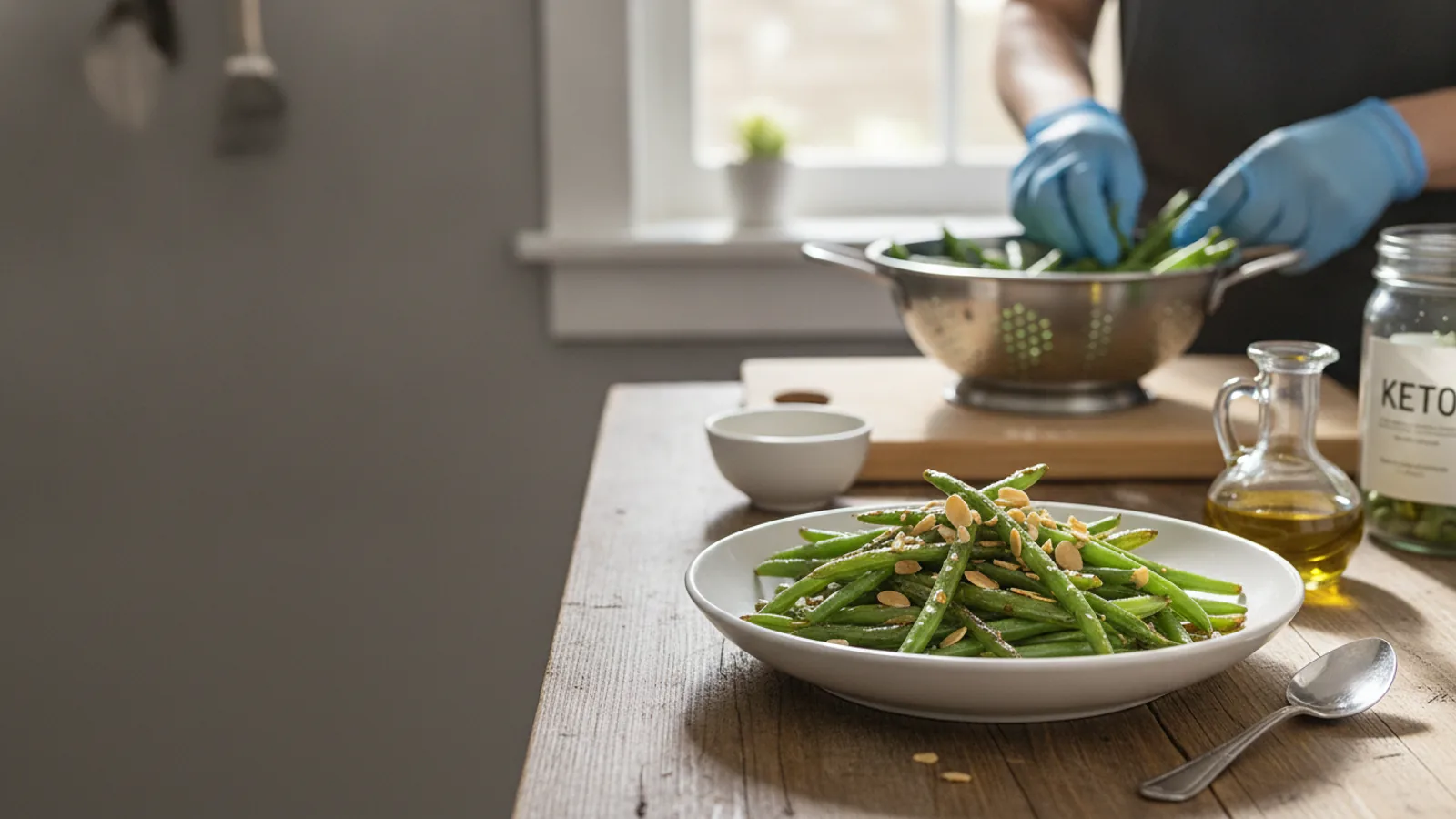
Green beans with toasted almonds is a simple, satisfying side dish that pairs the tender-crisp snap of fresh beans with the warm, nutty crunch of toasted almonds. This guide walks you through selecting, preparing, blanching, sautéing, and finishing the dish so it turns out bright and flavorful every time. The method works for a weeknight dinner or a holiday table, and the key is to control the cooking time and toast the almonds just until fragrant, not dark. With a few basic tools and a watchful eye, you can make this classic combination taste fresh and polished.
Fast Answer
- Blanch trimmed green beans in boiling water for two to three minutes, then transfer them to ice water to stop the cooking and keep their color bright.
- Toast sliced almonds in a dry pan over medium heat until golden and fragrant, then toss them with the drained beans, a little butter or oil, salt, and pepper.
Before You Start
- Rinse the green beans under cool water and drain them well. Snap or cut off the stem ends, and remove any tough strings along the seam if the beans are older or thick.
- Fill a large pot with water, add a generous pinch of salt, and set it over high heat to come to a rolling boil. Keep a large bowl of ice water ready nearby.
- Have a colander, a large skillet, and a spatula within reach. Measure your sliced almonds and any fat you plan to use, such as butter or olive oil, so you can work quickly.
- Pat the drained beans dry with a clean kitchen towel or paper towels. Removing surface moisture helps them sauté rather than steam when they hit the hot pan.
Step-by-Step Instructions
Trim and prepare the green beans
Rinse the green beans under cool running water and drain them in a colander. Work through the pile and snap or cut off the stem end of each bean, discarding any that are soft, moldy, or badly bruised. If the beans are thick or mature, run a small knife along the curved seam to remove the stringy fiber, which can be tough after cooking. As you trim, sort the beans by size so thicker ones can be cooked a little longer if needed. A practical check is to hold a trimmed bean by both ends and bend it; it should snap cleanly rather than bend limply. This matters because fresh, crisp beans hold their shape and texture through blanching and sautéing, while older beans turn mushy and dull. Once trimmed, spread the beans on a clean towel and pat them dry, because surface water will make them steam instead of brown in the skillet.
Blanch the beans in boiling water
Bring a large pot of water to a rolling boil and add a generous pinch of salt. Carefully lower the trimmed green beans into the water in batches so the temperature does not drop too much. Start timing as soon as the water returns to a boil, and cook for two to three minutes, depending on thickness. The beans should turn a vivid green and become slightly tender but still firm at the center. A reliable check is to lift one bean out with a slotted spoon, cool it briefly under cold water, and bite it; it should have a slight snap, not a raw crunch or a soft collapse. This check matters because blanching sets the color and texture before the final sauté, and overcooking at this stage cannot be undone. When the beans are ready, drain them immediately in a colander and move on to the ice bath.
Shock the beans in ice water
While the beans boil, fill a large bowl with cold water and add a few handfuls of ice. As soon as you drain the hot beans, plunge them into the ice water and stir gently so the cold reaches every bean. Leave them there for two to three minutes, until they feel cool to the touch. The cold water stops the cooking process and helps lock in the bright green color, which is why this step is often called shocking. A practical check is to feel a bean after a minute or two; if it is still warm, add more ice and wait a little longer. This matters because residual heat continues to cook the beans even after they leave the pot, and without cooling they can lose their crisp texture. Once cooled, drain the beans well and pat them dry with a towel so they are ready for the skillet.
Toast the sliced almonds
Place a dry skillet over medium heat and let it warm for about a minute. Add the sliced almonds in a single layer and spread them evenly. Toast them, stirring or tossing frequently, for two to four minutes, until they turn light golden brown and smell warm and nutty. Stay close and keep the almonds moving, because they can burn quickly once they begin to color. A practical check is to pick up one almond, let it cool for a second, and taste it; it should be crisp and fragrant, not bitter or dark. This check matters because properly toasted almonds add a deep, roasted flavor that contrasts with the tender beans, while burnt almonds taste acrid and can ruin the dish. As soon as they are ready, slide them onto a plate to cool so they do not keep cooking in the hot pan.
Sauté the beans and combine
Return the dry skillet to medium heat and add a small amount of butter or olive oil. Once the fat is warm and shimmering, add the drained, dried green beans in a single layer. Let them sit for a minute without stirring to pick up a little color, then toss and cook for three to five minutes, until they are hot throughout and lightly glossy. Season with salt and pepper as you toss, and taste one bean to check the seasoning. A practical check is to listen for a gentle sizzle when the beans first hit the pan; a loud pop means the pan is too hot, while silence means it is too cool and the beans will steam. This matters because the final sauté is where you build flavor and bring the dish together, and the right heat keeps the beans crisp-tender rather than soft. When the beans are ready, turn off the heat.
Finish, taste, and serve
Add the toasted almonds to the skillet and toss them with the beans, reserving a small handful for scattering on top if you like. Squeeze a little fresh lemon juice over the mixture, if desired, and toss again. Taste a bean with an almond and adjust the salt and pepper to your liking. A practical check is to confirm that the beans are still slightly firm and the almonds are crisp; if the beans seem soft, serve them right away rather than letting them sit. This matters because the contrast between tender beans and crunchy almonds is the heart of the dish, and it fades as the beans cool and soften. Transfer the mixture to a warm serving bowl and top with the reserved almonds. Serve immediately, and refrigerate any leftovers in a covered container for a few days.
Quick Reference
| Situation | Action | Why it helps |
|---|---|---|
| You want to prep the dish ahead of time for a busy evening. | Blanch and shock the green beans, then dry them thoroughly and store them in a covered container in the refrigerator for up to two days. Toast the almonds and keep them in a separate sealed container at room temperature. When you are ready to serve, sauté the beans and toss in the almonds at the end. | Keeping the beans and almonds separate prevents the almonds from losing their crunch, and the pre-blanched beans reheat quickly in the skillet without turning mushy. |
| The green beans are thick and seem to need more cooking after blanching. | Add one extra minute to the blanching time, then check a bean by biting it. If it is still too firm, blanch for another thirty seconds and check again. Drain and shock as usual, then sauté a little longer in the skillet until the beans are crisp-tender. | Thicker beans have more fiber and water, so they need a bit more time to become tender, but checking often prevents them from going past the crisp-tender stage. |
| You do not have sliced almonds and want a similar texture. | Use chopped walnuts, pecans, or pumpkin seeds, and toast them the same way in a dry pan over medium heat until fragrant. Taste one after it cools to make sure it is not bitter, then toss with the beans at the end. | Nuts and seeds share the same toasting principle: gentle heat brings out their oils and flavor, and tasting is the simplest way to know they are ready. |
Common Issues
- The green beans turn out soft and dull instead of crisp and bright.: Reduce the blanching time by thirty seconds to one minute and make sure the ice bath is very cold. Dry the beans well before sautéing, and cook them over medium-high heat for a shorter time so they heat through without steaming. Taste a bean before serving; it should still have a slight snap.
- The toasted almonds taste bitter or look very dark.: Toast them over medium heat, not high, and stir constantly so they brown evenly. As soon as they are light golden and fragrant, slide them onto a cool plate to stop the cooking. If they are already dark, discard them and start again, because burnt almonds will make the whole dish taste bitter.
- The finished dish tastes flat or watery.: Season the blanching water and the sauté pan, and taste the beans before serving. If the beans seem watery, cook them a little longer over higher heat to evaporate excess moisture, but watch closely so they do not soften too much. A squeeze of lemon or a splash of vinegar at the end can lift the flavor.
Advanced Tips
- For a deeper flavor, brown a little butter in the skillet before adding the beans, then toss the toasted almonds in the nutty brown butter just before serving.
- Add a pinch of red pepper flakes or a grated clove of garlic to the hot oil for a few seconds before the beans go in, which infuses the fat with gentle heat and aroma.
- Try a finishing sprinkle of lemon zest or chopped fresh herbs such as parsley or dill, added off the heat, to keep their color and fresh taste intact.
Final Checklist
- Green beans are trimmed, rinsed, and patted dry, with any tough strings removed.
- A large pot of salted water is boiling, and a bowl of ice water is ready nearby.
- Almonds are toasted to a light golden color and set aside on a cool plate.
- The finished dish is tasted for salt, pepper, and texture before serving.
FAQ
Can I make this dish without blanching the beans first?
Yes, you can skip blanching and sauté the trimmed beans directly in the skillet with a little oil or butter. Add a couple of tablespoons of water, cover the pan for a few minutes to steam them, then uncover and cook until they are crisp-tender. This method works well when you want a quicker dish, but the beans may lose some of their bright color. Taste one before serving to make sure it is tender enough for your liking, and adjust the cooking time based on the thickness of the beans.
How do I keep the almonds crunchy after tossing them with the beans?
Add the toasted almonds at the very end, just before serving, and reserve a few to scatter on top. If you plan to store leftovers, keep the almonds in a separate container and add them after reheating the beans. Moisture from the cooked beans will soften the almonds over time, so the shorter they sit together, the better the texture. Toasting the almonds until they are fully crisp also helps them hold up for a little while in the dish.
What can I serve with green beans and toasted almonds?
This side dish pairs well with roasted chicken, baked fish, grilled meats, or a simple grain bowl. It also works alongside mashed potatoes, rice, or crusty bread for a cozy meal. If you are serving a vegetarian spread, add a protein such as lentils, chickpeas, or a poached egg. The bright, nutty flavors complement rich main dishes, so consider what else is on the plate and adjust the seasoning of the beans to balance the meal.