Choose Tahini For Vegetable Dressings
A practical step-by-step guide to choose tahini for vegetable dressings, including preparation, instructions, common issues, tips, and next steps.
Choose Tahini For Vegetable Dressings
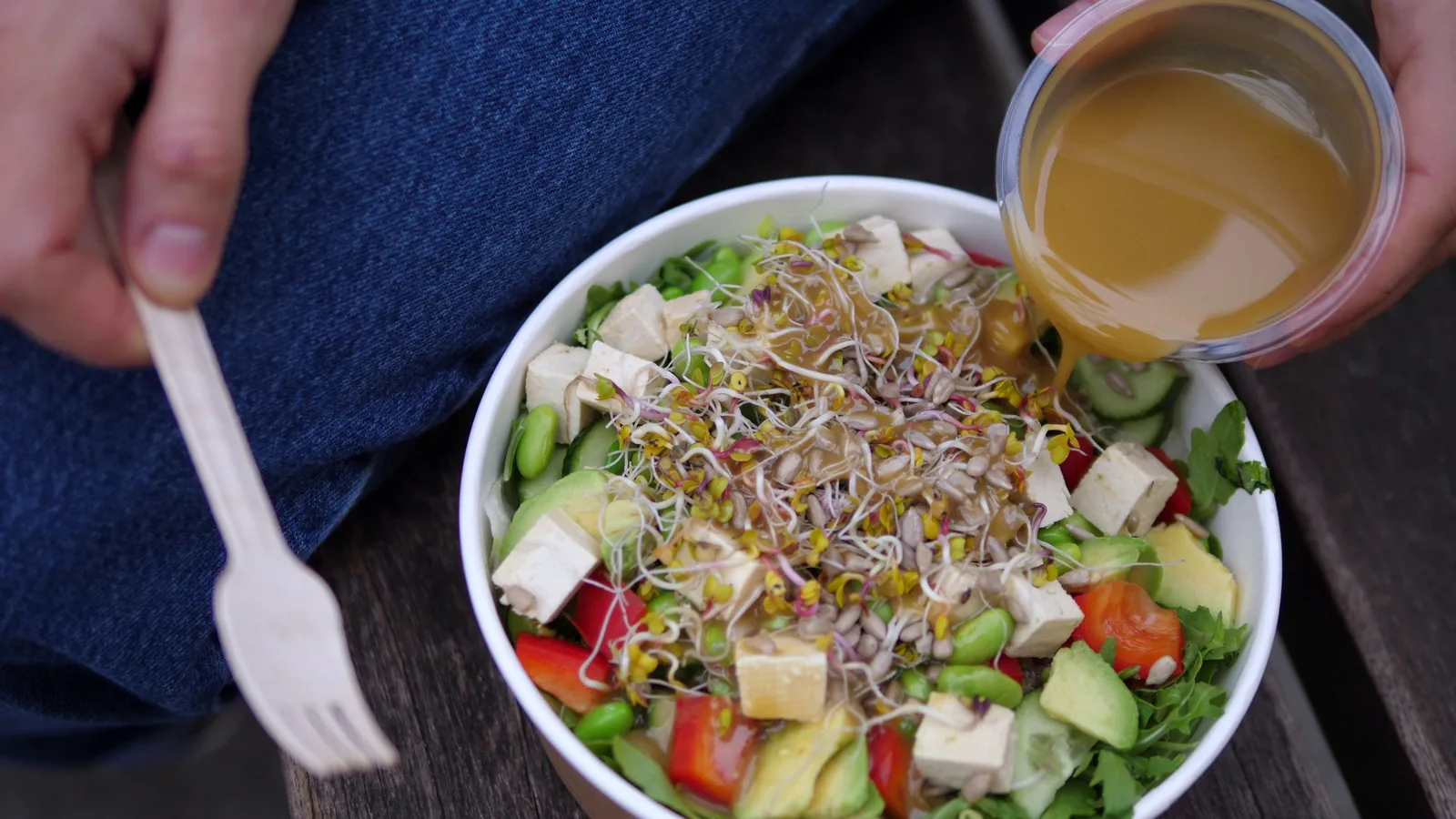
Choosing the right tahini for vegetable dressings comes down to matching its texture, roast level, and freshness to the vegetables you are serving. A loose, pourable tahini blends into a light coating for tender greens, while a thick, pale tahini whips into a rich sauce for sturdy roots. This guide walks you through reading labels, testing consistency, tasting for bitterness, and adjusting with simple pantry ingredients so every dressing tastes balanced rather than gluey or harsh.
Fast Answer
- Pick a tahini that pours slowly like warm honey for leafy salads, and a thick, spoonable one for roasted or raw root vegetables.
- Taste a small spoonful plain: mild, nutty, and slightly sweet is ideal, while sharp bitterness means the jar is old or over-roasted.
Before You Start
- Set out a small spoon, a clean bowl, a whisk or fork, and a glass of warm water for thinning the tahini as you test it.
- Bring the jar to room temperature for about thirty minutes, because cold tahini separates and stiffens, making it hard to judge true texture.
- Read the ingredient list and date on the label, noting whether it lists only sesame seeds or adds oil, salt, or other ingredients that change flavor.
- Have your vegetables washed, dried, and ready nearby so you can taste the dressing against the actual food it will coat.
Step-by-Step Instructions
Match texture to your vegetables
Start by deciding what your dressing must do. Tender leaves like lettuce or baby spinach need a thin, pourable tahini that clings lightly without weighing them down. Sturdy vegetables such as carrots, broccoli, or roasted beets can carry a thicker, spoonable tahini that coats evenly. Open the jar and stir it well, because natural separation means the top is oily and the bottom is dense. Lift a spoonful and let it fall back into the jar. Count how many seconds the ribbon takes to break. A slow, steady stream points to a loose tahini good for delicate greens, while a thick blob that holds its shape suits hearty roots. This check matters because texture, not flavor alone, decides whether a dressing feels silky or pasty on the plate, and you cannot judge it accurately until the jar is fully stirred.
Judge color and roast level
Look at the color of the tahini before you taste it, since color hints at how long the seeds were roasted. Pale ivory or light beige tahini usually comes from lightly roasted or raw seeds, giving a mild, creamy, slightly sweet flavor that lets delicate vegetables shine. Deeper tan or brown tahini comes from heavier roasting, which adds a bold, toasted, sometimes smoky note that stands up to strong flavors like roasted eggplant or bitter greens. Hold the jar near a window or bright light so you can see the true shade rather than a shadow. If the color looks patchy or streaky, stir again until it is uniform. This check matters because roast level quietly sets the dressing's personality, and choosing a dark, intense tahini for a mild vegetable can drown its natural sweetness, while a pale tahini may disappear against assertive flavors.
Taste a plain sample
Spoon a small amount of tahini into a clean bowl and taste it plain, without lemon, salt, or garlic. Expect a gentle nutty flavor with a faint sweetness and a smooth, creamy feel. Notice any bitterness, sourness, or scratchy grit. A little bitterness can be normal, but a sharp, lingering, unpleasant bite usually means old seeds or heavy roasting. Swallow slowly and wait a few seconds, because bitterness often grows after you finish tasting. If the sample tastes flat or stale, the jar may have sat too long or been stored poorly. This check matters because every later ingredient you add, including lemon, salt, and honey, sits on top of this base flavor. A dressing built on harsh tahini stays harsh no matter how carefully you balance it, while a clean, mild base gives you room to season with confidence.
Check freshness and storage history
Inspect the jar for signs of age and poor storage. Fresh tahini smells nutty and clean, with no sharp or rancid odor. Look at the surface for a dry, cracked layer or dark crust, which can mean the jar has been open a long time. Check the date on the label and think about how long the jar has been in your cupboard. Heat and light speed up spoilage, so tahini kept near a stove or sunny window may taste tired even before its date. Stir the bottom layer, where sediment and dense paste collect, and smell it again. This check matters because freshness controls whether the dressing tastes bright or dull, and a jar that has gone rancid cannot be rescued by whisking or seasoning. When in doubt, buy a smaller jar you can finish while it is still at its best.
Test the tahini with water and acid
Before dressing your vegetables, whisk a spoonful of tahini with a spoonful of warm water in a small bowl. The mixture will tighten and look lumpy at first, then loosen into a smooth, creamy sauce as you keep stirring. Add a few drops of lemon juice or vinegar and watch how the texture responds. Some tahini seizes and turns grainy with acid, while other jars stay silky. If yours seizes, whisk in more warm water, a little at a time, until it relaxes again. Taste the plain mixture to judge how much salt and sweetness it needs. This check matters because dressings often fail not from bad tahini but from adding acid too quickly, and a quick two-minute test shows you exactly how your jar behaves before you commit a full batch to the vegetables.
Build and balance the final dressing
Now combine your chosen tahini with the rest of the dressing. Start with tahini, warm water, and a pinch of salt, whisking until smooth. Add lemon juice or vinegar in small amounts, tasting after each addition. Sweeten lightly with honey or a similar syrup if the dressing tastes bitter or flat. Add garlic, herbs, or spice only after the base is balanced, since strong additions can hide problems you have not fixed yet. Taste the dressing on an actual piece of your prepared vegetable, not just from the spoon, because vegetables add their own moisture and flavor. Adjust with more water for a lighter coat or more tahini for a richer one. This check matters because a dressing that tastes perfect alone can taste too thick, too sharp, or too sweet once it meets the food, so the final taste test on the vegetable is the one that truly counts.
Quick Reference
| Situation | Action | Why it helps |
|---|---|---|
| You are dressing delicate salad leaves and want a light, even coating. | Choose a pale, pourable tahini, whisk it with warm water until glossy, and add lemon and salt gradually until the dressing runs off a spoon in a thin stream. | A thin, smooth dressing clings lightly to tender leaves instead of clumping, so every bite gets a gentle coating without the salad turning heavy or soggy. |
| You are dressing roasted root vegetables that need a rich, clinging sauce. | Choose a thicker, medium-roast tahini, whisk it with a little water and lemon until spoonable, then toss the warm vegetables so the dressing melts and coats evenly. | Warm vegetables absorb and spread a thick dressing better than cold ones, and a spoonable texture holds onto sturdy pieces rather than sliding to the bottom of the bowl. |
| Your tahini tastes bitter and you still want to use it in a dressing. | Taste a fresh sample from a well-stirred spot near the middle of the jar, and if it is still harsh, combine it with a milder tahini, a little honey, and extra lemon to soften the edge. | Bitterness often concentrates near the surface or comes from old seeds, so checking the middle tells you whether the whole jar is affected, while sweetness and acid can mask a mild edge. |
Common Issues
- The dressing turns thick and pasty instead of creamy.: Whisk in warm water one spoonful at a time, stirring fully before adding more, until the mixture loosens into a smooth, pourable sauce. Cold tahini and too little water are the usual causes, so let the jar warm up first and keep adding liquid slowly rather than all at once.
- The tahini tastes sharply bitter or stale.: Taste a fresh spoonful from the middle of a well-stirred jar and smell it for any rancid note. If it is only slightly bitter, balance it with lemon, salt, and a touch of honey. If it smells or tastes clearly off, discard it and open a fresher jar, because bitterness from age cannot be fixed by seasoning.
- The dressing separates or looks grainy after sitting.: Stir or shake the dressing again before serving, and add a spoonful of warm water to bring it back together. Natural tahini separates over time, and acid added too fast can make it grainy, so whisk thoroughly, add lemon gradually, and keep the finished dressing covered and cool until you use it.
Advanced Tips
- Toast a spoonful of sesame seeds and stir them into the finished dressing for a light crunch that contrasts with the creamy tahini base.
- Blend tahini with roasted garlic or a soft cooked vegetable instead of water to add body and flavor without thinning the dressing too much.
- Make a larger batch of the plain tahini base and store it covered in the refrigerator, then season small portions differently for each vegetable you serve.
Final Checklist
- Confirm the tahini is well stirred, uniform in color, and free of a dry crust or off smell.
- Taste the dressing on an actual piece of the vegetable, not only from the spoon, and adjust water, acid, and salt.
- Check labels for sesame and other allergens if anyone at the table has a dietary restriction.
- Store any leftover dressing covered and cool, and stir it again before the next use.
FAQ
Should tahini for dressing be raw or roasted?
Both work, but they behave differently. Raw or lightly roasted tahini is pale, mild, and creamy, which suits delicate greens and mild vegetables. Roasted tahini is darker and more intensely nutty, which pairs well with roasted roots, bitter greens, and stronger flavors. Taste a plain sample before deciding, and remember that heavier roasting can also bring more bitterness, so choose based on the vegetables and the flavor you want in the finished dressing.
How do I fix tahini that turns solid in the refrigerator?
Let the jar sit at room temperature for about thirty minutes, then stir it thoroughly from the bottom up. If it is still stiff, scoop what you need into a bowl and whisk in warm water a spoonful at a time until it becomes smooth and pourable. Cold temperatures make tahini firm and cause separation, so warming and stirring restores the texture without changing the flavor, and you can repeat this whenever the jar stiffens again.
How long does a tahini dressing keep?
Most tahini dressings keep for several days when covered and stored in the refrigerator, though the texture thickens and some separation happens over time. Stir in a little warm water before each use to loosen it. Check the smell and taste before serving, and discard the dressing if it smells rancid, looks moldy, or tastes sharply bitter. Because freshness varies with ingredients and storage conditions, rely on your senses and your own storage habits rather than a fixed number of days.