Batch Cook Cauliflower Florets For Three Meals
A practical step-by-step guide to batch cook cauliflower florets for three meals, including preparation, instructions, common issues, tips, and next steps.
Batch Cook Cauliflower Florets For Three Meals
Batch cooking cauliflower florets is a simple, calm way to prepare a versatile vegetable for three different meals without extra effort on busy days. By breaking the work into roasting, steaming, and raw prep, you create a base that keeps well and adapts to soups, bowls, and sides. This guide walks you through selecting fresh heads, cutting even pieces, cooking in stages, cooling safely, and storing portions so each meal comes together quickly. You will also learn how to check doneness by texture and color, avoid mushiness, and reheat without losing flavor. The result is a flexible batch that saves time, reduces waste, and makes weeknight cooking feel less rushed.
Fast Answer
- Roast two-thirds of the florets with oil and salt for a deep flavor, and steam the rest lightly for a neutral base you can season later.
- Cool everything quickly on a tray, then store in separate containers so you can use one portion for a soup, one for a grain bowl, and one as a simple side.
Before You Start
- Rinse two medium cauliflower heads under cool water and pat them dry with a clean towel so the florets roast rather than steam.
- Cut the heads into evenly sized florets, about one to one and a half inches wide, discarding only the tough outer leaves and woody core.
- Set out a large sheet pan, a steamer basket with a pot, a colander, and three containers or reusable bags for storing the finished batches.
- Preheat your oven to a moderate heat, around 200°C (400°F), and line the sheet pan with parchment or a light brush of oil to prevent sticking.
Step-by-Step Instructions
Choose and trim the cauliflower heads
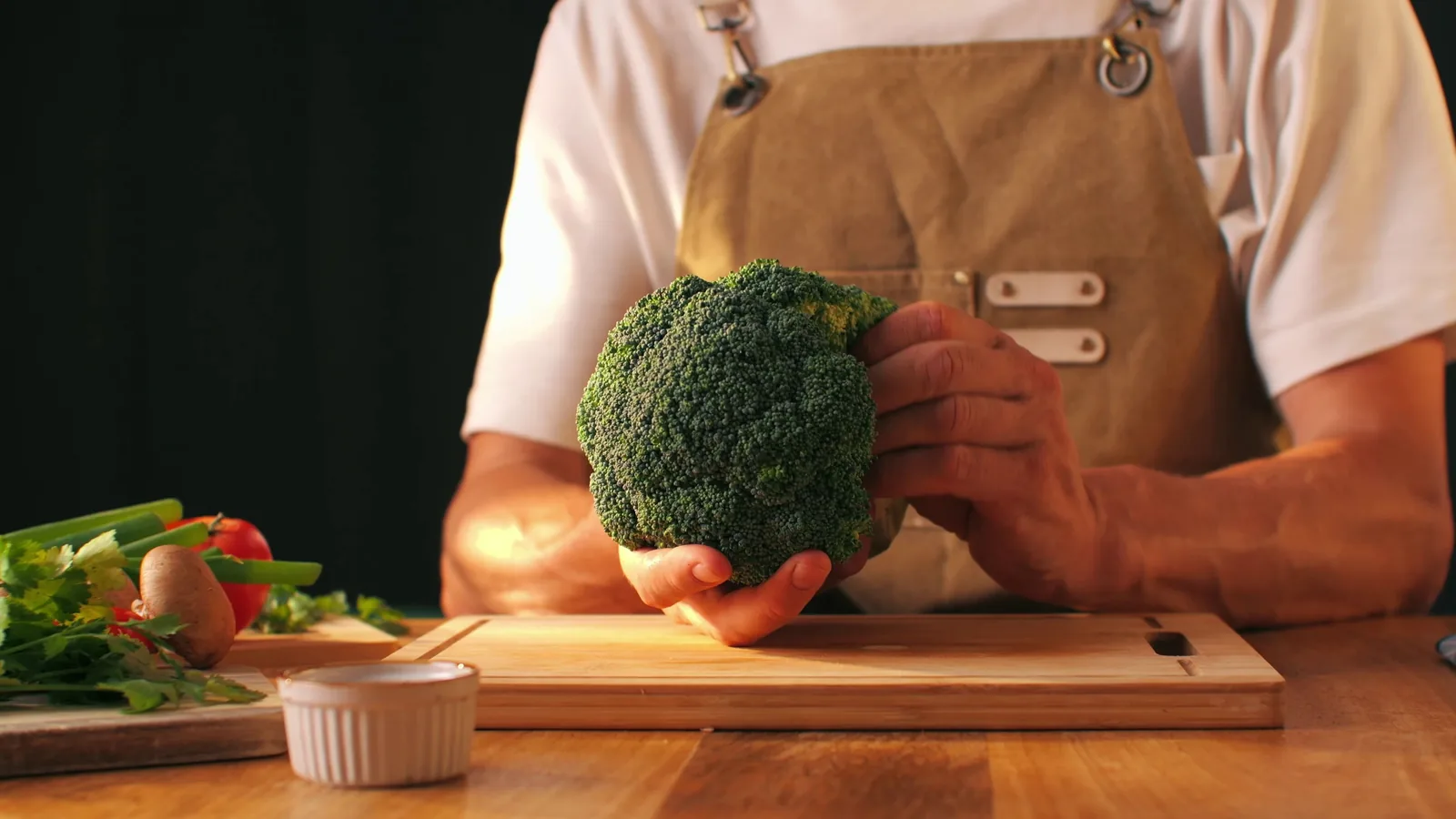
Start by selecting two firm heads with tight, creamy white or lightly purple curds and fresh green leaves. Avoid heads with brown spots, soft patches, or a strong cabbage-like smell, because those signs mean the vegetable is past its best and will not roast evenly. Remove the outer leaves by pulling them down from the base, then cut the head into quarters through the core. Slice away the thick woody stem from each quarter, but keep the smaller inner stems attached to the florets; they add texture and help the pieces hold their shape. As you work, drop the trimmed florets into a bowl of cool water, then rinse and drain them in a colander. Pat them completely dry with a clean kitchen towel or paper towels. This drying step matters because surface moisture steams the florets in the oven and prevents the browned, caramelized edges that give roasted cauliflower its deep flavor. Once dry, you are ready to cut uniform pieces.
Cut florets into even, bite-sized pieces
Place a quarter of cauliflower flat on your cutting board and cut downward through the stem into florets about one to one and a half inches wide. Aim for pieces that are similar in size so they cook at the same rate. Small, thin florets will burn before thick ones soften, and large chunks will stay raw in the center while the outside browns. If a floret is much larger than the rest, halve it lengthwise through the stem. Keep the tender inner leaves and slice them into ribbons; they roast beautifully and add a different texture. As you cut, push the finished florets to one side of the board and keep the trimmings in a separate bowl for soup or stock. When all the florets are cut, you should have a pile that looks roughly uniform. This even size is the single most important factor for reliable roasting and steaming, so take a moment to sort out any outliers before cooking.
Roast two-thirds of the florets for deep flavor
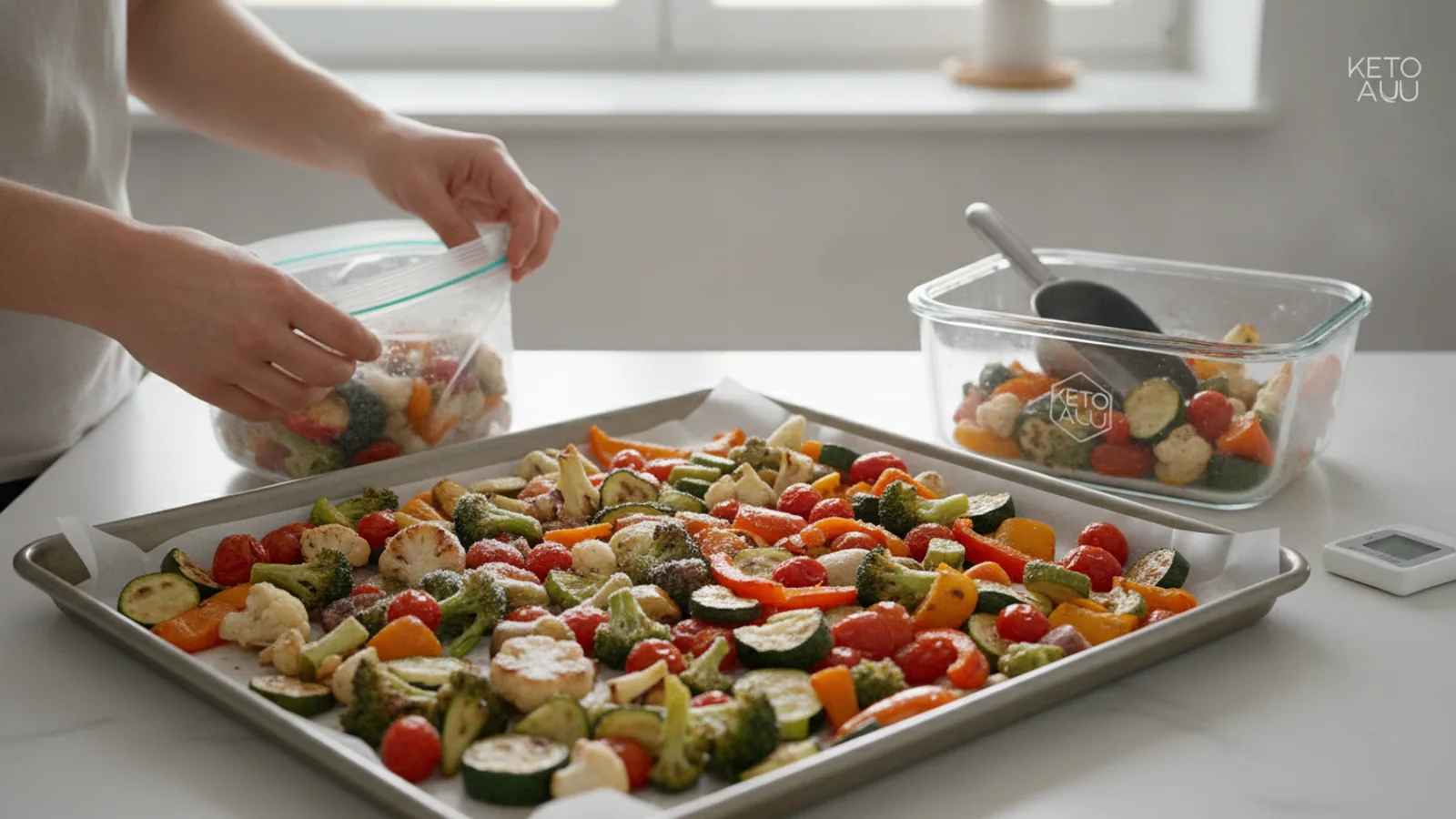
Heat your oven to a moderate temperature, about 200°C (400°F). Spread two-thirds of the dry florets on a large sheet pan in a single layer with a little space between them. Drizzle with two tablespoons of neutral oil, such as grapeseed or avocado, and sprinkle with a teaspoon of fine salt. Toss with your hands or a spatula until every piece is lightly coated. If the florets look crowded, use two pans; crowding traps steam and makes them soft instead of crisp. Roast for twenty to twenty-five minutes, turning them with a spatula halfway through. The florets are done when the edges are golden brown and the stems pierce easily with a knife but still hold their shape. This visual and texture check matters because oven temperatures vary, and relying only on time can lead to burnt tips or undercooked centers. Remove the pan from the oven and set it on a cooling rack.
Steam the remaining florets for a neutral base
While the roasted batch cooks, fill a pot with about an inch of water and insert a steamer basket. Bring the water to a steady simmer over medium heat. Add the remaining third of the florets to the basket in a single layer, cover the pot, and steam for five to seven minutes. Check at five minutes by piercing the thickest stem with a knife; it should slide in easily but the floret should still be bright white and firm, not translucent or falling apart. Steaming preserves a clean, mild flavor and a firm texture that works well in soups, stir-fries, or cold salads where you want the cauliflower to absorb other seasonings. When the florets are just tender, lift the basket out of the pot and spread the pieces on a tray to stop the cooking. This quick cooling keeps them from turning mushy. If you plan to use some raw, set aside a small handful now before steaming.
Cool and portion for three different meals
Spread the roasted and steamed florets on separate trays or large plates in a single layer. Let them cool at room temperature for no more than one hour; this prevents condensation inside storage containers, which makes the florets soggy. Once cool, divide the batch into three portions based on your meal plan. For a soup, keep one portion of steamed florets whole or roughly chopped. For a grain bowl, combine roasted florets with cooked grains, a handful of greens, and a simple dressing. For a quick side, keep the remaining roasted florets plain and add fresh herbs or a squeeze of lemon just before serving. Place each portion in a shallow container or reusable bag, press out excess air, and label with the date. This portioning step matters because it turns one cooking session into three ready-to-use ingredients and helps you avoid last-minute decisions. Refrigerate within one hour of cooling.
Store, reheat, and repurpose each portion
Keep the portioned containers in the refrigerator for up to four days. For the soup portion, add the steamed florets to a pot of simmering broth with aromatics like onion and garlic, and cook for five minutes until heated through. For the grain bowl, reheat the roasted florets in a skillet over medium heat for three to four minutes, or enjoy them cold if you prefer a firmer texture. For the side dish, warm the florets in the oven at a moderate heat for five to seven minutes, or in a covered pan with a splash of water. Always reheat only what you plan to eat, and check that the center of the thickest floret is hot throughout. If you want to freeze a portion, spread cooled florets on a tray, freeze until solid, then transfer to a container and use within two months. This staged approach keeps each meal quick and prevents waste.
Quick Reference
| Situation | Action | Why it helps |
|---|---|---|
| You want roasted florets but the pan looks crowded. | Divide the florets between two sheet pans and roast on separate racks, swapping their positions halfway through cooking. | Crowding traps steam and prevents browning, while using two pans gives each piece direct heat for crisp, caramelized edges. |
| Your steamed florets turned soft before you could stop cooking. | Plunge them into a bowl of ice water for one minute, then drain and pat dry before storing. | The cold water halts the cooking process quickly, preserving a firm texture that holds up in soups and salads. |
| You need to turn the batch into a last-minute meal. | Sauté the roasted florets with garlic and olive oil for three minutes, then toss with cooked pasta and a splash of cooking water. | The florets are already cooked, so a quick sauté adds flavor and heat without extra roasting time, making a fast, complete dish. |
Common Issues
- The roasted florets came out soft and pale instead of browned.: Dry the florets thoroughly before roasting, use a single layer with space between pieces, and increase the oven temperature slightly. If they are still pale after twenty minutes, raise the heat for the final five minutes and check often.
- The steamed florets smell strongly and taste bitter.: This usually means they were overcooked or the water boiled dry. Next time, check at five minutes, remove from heat as soon as a knife pierces the stem easily, and cool them quickly on a tray. Fresh, younger cauliflower also has a milder flavor.
- The stored florets became watery and limp after a day.: Cool the florets completely before sealing them in containers, and line the container with a paper towel to absorb extra moisture. If they are already limp, use them in a soup or mash rather than as a side dish.
Advanced Tips
- Toss the roasted florets with a spoonful of tahini and lemon juice while still warm; the heat helps the dressing cling and adds a creamy, nutty finish.
- For a deeper flavor, roast the cauliflower with whole spices like cumin seeds or coriander seeds, then grind them into the oil before tossing.
- Use the trimmed stems and leaves to make a quick pickled garnish; slice them thin, cover with a warm vinegar and water mixture, and refrigerate for an hour.
Final Checklist
- Cauliflower heads are firm, free of brown spots, and cut into evenly sized florets before cooking.
- Roasted florets are golden at the edges and pierce easily with a knife but are not falling apart.
- Steamed florets are bright white, just tender, and cooled on a tray within one hour of cooking.
- Portions are labeled with the date and stored in the refrigerator for no more than four days.
FAQ
Can I eat the cauliflower stems and leaves?
Yes, the stems and tender inner leaves are edible and delicious. Slice the stems into thin coins or matchsticks and roast them with the florets, or save them for soups and stir-fries. The outer leaves can be tough, so trim away any woody parts. Rinse everything well before using. If you are unsure about a particular leaf, taste a small piece raw; if it is pleasant and not overly fibrous, it is fine to cook.
How do I know when roasted cauliflower is done?
Check by color and texture rather than time alone. The edges should be golden brown, and a knife should slide into the thickest stem with little resistance. The floret should still hold its shape and not collapse when lifted with a spatula. If the tips are browning too fast but the stem is still hard, lower the heat and continue roasting until tender. Oven temperatures vary, so start checking five minutes before the recipe's suggested time.
Can I freeze the batch-cooked florets?
Yes, both roasted and steamed florets freeze well if you cool them completely first. Spread them on a tray in a single layer, freeze until solid, then transfer to a container and press out excess air. They will keep for about two months. Reheat directly from frozen in a hot oven or skillet, or add them frozen to soups. For best texture, blanch raw florets for two minutes, cool in ice water, and drain before freezing.