Aubergine Wedges With Tahini Dressing
A practical step-by-step guide to aubergine wedges with tahini dressing, including preparation, instructions, common issues, tips, and next steps.
Aubergine Wedges With Tahini Dressing
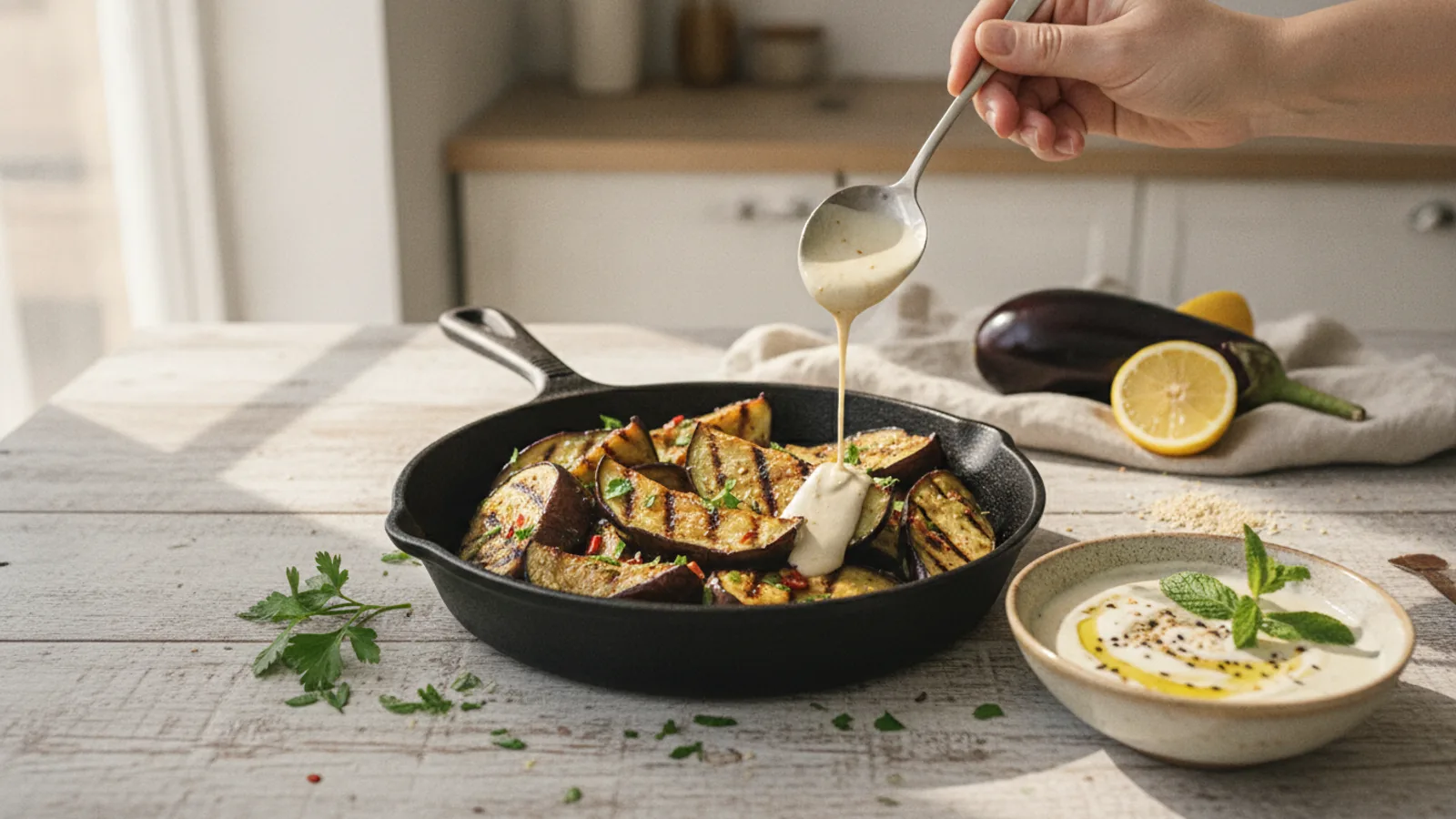
This guide explains how to make crisp, golden aubergine wedges with a creamy tahini dressing. You will learn to prepare the aubergine to reduce bitterness, coat the wedges for a satisfying crust, bake them to tender perfection, and whisk a balanced dressing. The result is a versatile side dish or light meal that works with many main courses.
Fast Answer
- Cut aubergine into wedges, salt them briefly, pat dry, coat with oil and seasonings, then bake at a moderate temperature until deeply golden.
- Whisk tahini with lemon juice, garlic, and water until smooth and pourable; adjust consistency and seasoning before serving.
Before You Start
- Choose firm, glossy aubergines that feel heavy for their size and have no soft spots or bruises.
- Preheat your oven to a moderate temperature, typically around 200°C (400°F), and line a baking sheet with parchment paper.
- Gather a large bowl for tossing the wedges, a small bowl for the dressing, and a whisk or fork for blending.
- Have salt, olive oil, tahini, lemon juice, garlic, and any optional spices like cumin or paprika ready.
Step-by-Step Instructions
Prepare the aubergine
Start by washing and drying the aubergines. Trim off the stem end and cut each aubergine in half lengthwise. Then cut each half into wedges about 2 centimeters thick at the widest part. Aim for uniform size so they cook evenly. Put the wedges in a colander, sprinkle them with a generous pinch of salt, and let them sit for 15 to 20 minutes. This draws out excess moisture and can reduce any bitterness. After resting, pat the wedges thoroughly dry with paper towels or a clean kitchen towel. Drying is essential because surface moisture will steam the aubergine in the oven instead of letting it brown. A quick check: the wedges should feel dry to the touch and no longer release visible water when pressed. If they still feel wet, pat them again before moving on.
Season and coat the wedges
In a large bowl, combine the dried aubergine wedges with olive oil, using about one to two tablespoons per medium aubergine. Toss gently with your hands or a spatula until every wedge is lightly and evenly coated. Sprinkle with salt, black pepper, and any dried herbs or spices you like, such as smoked paprika, cumin, or oregano. Toss again to distribute the seasonings. The key is to coat lightly; too much oil will make the wedges soggy, while too little will leave them dry and prone to sticking. A practical check: after tossing, the wedges should glisten but not drip oil. If you see pools of oil at the bottom of the bowl, add a few more wedges or drain the excess. Arrange the wedges on the prepared baking sheet in a single layer, leaving a little space between each one. Crowding steams them, so use two sheets if needed.
Bake until deeply golden
Place the baking sheet in the preheated oven and bake for 25 to 35 minutes, depending on wedge thickness and your oven. Flip the wedges once halfway through the baking time using tongs or a spatula. This ensures even browning on all sides. The wedges are ready when they are tender inside and deeply golden brown on the edges, with some darker crispy spots. To test doneness, pierce the thickest part of a wedge with a knife; it should slide in easily with no resistance. If the wedges are browning too quickly on the outside but still firm inside, lower the oven temperature slightly and continue baking. Conversely, if they are pale after 30 minutes, increase the heat for the final few minutes. Keep an eye on them near the end, as they can go from golden to burnt quickly. A good check is to taste one wedge for seasoning and texture before serving.
Make the tahini dressing
While the wedges bake, prepare the dressing. In a small bowl, combine tahini, freshly squeezed lemon juice, and minced garlic. The mixture will thicken and may look seized at first; this is normal. Add cold water, one tablespoon at a time, whisking constantly until the dressing becomes smooth and pourable. Season with salt and a little optional sweetener like maple syrup or honey if you want balance. The dressing should coat the back of a spoon but still flow easily. If it is too thick, add more water; if too thin, add a little more tahini. A practical check: taste the dressing. It should be nutty, tangy, and slightly salty, with no raw garlic bite. If the garlic is too strong, let the dressing rest for 10 minutes; the flavor will mellow. Adjust lemon and salt as needed.
Assemble and serve
Once the wedges are baked, transfer them to a serving platter. Drizzle the tahini dressing generously over the hot wedges, or serve it on the side for dipping. If you drizzle, do it just before serving so the wedges stay crisp. Garnish with chopped fresh parsley, cilantro, or mint, and maybe a sprinkle of toasted sesame seeds or sumac for color and texture. Serve immediately while hot. The contrast of the crispy, savory wedges and the cool, creamy dressing is best fresh from the oven. If you need to hold them, keep the wedges warm in a low oven and dress them at the last minute. A final check: the wedges should still have some crisp edges, and the dressing should be smooth and flavorful. Adjust salt and lemon one last time before serving.
Store and reheat safely
If you have leftovers, store the wedges and dressing separately in airtight containers in the refrigerator. The wedges will keep for up to three days, and the dressing for up to five days. To reheat, spread the wedges on a baking sheet and warm them in a hot oven for 5 to 10 minutes, or until heated through and crisp again. Alternatively, reheat them in a skillet over medium heat with a little oil. The dressing can be used cold or at room temperature; if it thickens in the fridge, whisk in a teaspoon of water to loosen it. Before eating, check that the wedges are hot and the dressing smells fresh. If the dressing has separated, simply whisk it back together. Do not reheat more than once, as repeated heating can make the wedges oily and the dressing lose its texture.
Quick Reference
| Situation | Action | Why it helps |
|---|---|---|
| Your aubergine wedges are turning out soggy instead of crisp. | Increase the oven temperature by 20°C (about 25°F), ensure the wedges are spread in a single layer with space between them, and pat them dry thoroughly before coating with oil. | Higher heat and good air circulation help moisture evaporate quickly, while crowding traps steam and prevents browning. |
| The tahini dressing is too thick or seized after adding lemon juice. | Whisk in cold water one tablespoon at a time until the dressing becomes smooth and pourable; if it is still thick, add a little more water or a teaspoon of tahini. | Tahini naturally thickens when it meets acid, but adding water gradually re-emulsifies it and creates a creamy consistency. |
| You need to prepare the dish ahead of time for a gathering. | Bake the wedges fully, then cool and refrigerate them; make the dressing and store it separately. Reheat the wedges in a hot oven for 5 to 10 minutes just before serving, then drizzle with dressing. | Keeping them separate prevents the wedges from becoming soggy, and reheating restores their crisp texture without overcooking. |
Common Issues
- The aubergine wedges taste bitter.: Salting the wedges for 15 to 20 minutes before cooking draws out bitter juices. After salting, pat them dry thoroughly. Also, choose fresh, firm aubergines without soft spots, as older ones can be more bitter. If bitterness persists, a squeeze of lemon juice after baking can help mask it.
- The wedges stick to the baking sheet or fall apart.: Make sure the baking sheet is lined with parchment paper or lightly oiled. Space the wedges apart and avoid flipping them too early; let them develop a crust for at least 15 minutes before turning. If they still stick, use a thin spatula to gently lift them. Cutting wedges thicker, about 2 to 3 centimeters, also helps them hold together.
- The tahini dressing is grainy or separated.: Whisk the dressing vigorously until smooth. If it remains grainy, add a tablespoon of cold water and whisk again. For a smoother result, blend the dressing in a small blender or use a stick blender. If it has separated in the fridge, let it come to room temperature and whisk well before serving; a little warm water can help recombine it.
Advanced Tips
- For extra depth, roast the aubergine wedges on a preheated cast-iron skillet or baking steel to get darker, crispier edges.
- Add a tablespoon of pomegranate molasses to the tahini dressing for a sweet-tart complexity that pairs well with the smoky wedges.
- Toss the baked wedges with a mixture of chopped herbs, toasted nuts, and lemon zest right before serving to add fresh texture and aroma.
Final Checklist
- Are the aubergine wedges cut into uniform pieces and patted completely dry before oiling?
- Is the oven fully preheated to the correct temperature, and are the wedges arranged in a single layer?
- Has the tahini dressing been whisked until smooth, with balanced lemon, salt, and garlic?
- Are you ready to serve immediately, with garnishes prepared and the dressing drizzled just before eating?
FAQ
Can I use a different type of aubergine?
Yes, you can use any variety, but cooking times will vary. Smaller or thinner aubergines cook faster, so check them earlier. Larger, denser ones may need a few extra minutes. The key is to cut them into similar-sized wedges and test for tenderness with a knife. Adjust the baking time as needed.
How do I make the dish vegan?
The recipe is naturally vegan if you use tahini, lemon juice, garlic, and water for the dressing, and olive oil for coating. Avoid honey or other animal products in the dressing; use maple syrup or agave if you want a touch of sweetness. Always check labels on any additional ingredients to ensure they are vegan.
What can I serve with aubergine wedges and tahini dressing?
They are excellent as a side dish with grilled meats, fish, or falafel. For a mezze spread, serve with hummus, baba ganoush, tabbouleh, and warm flatbread. They also work as a topping for grain bowls, salads, or wraps. Try them with a simple green salad and a squeeze of lemon for a light meal.